
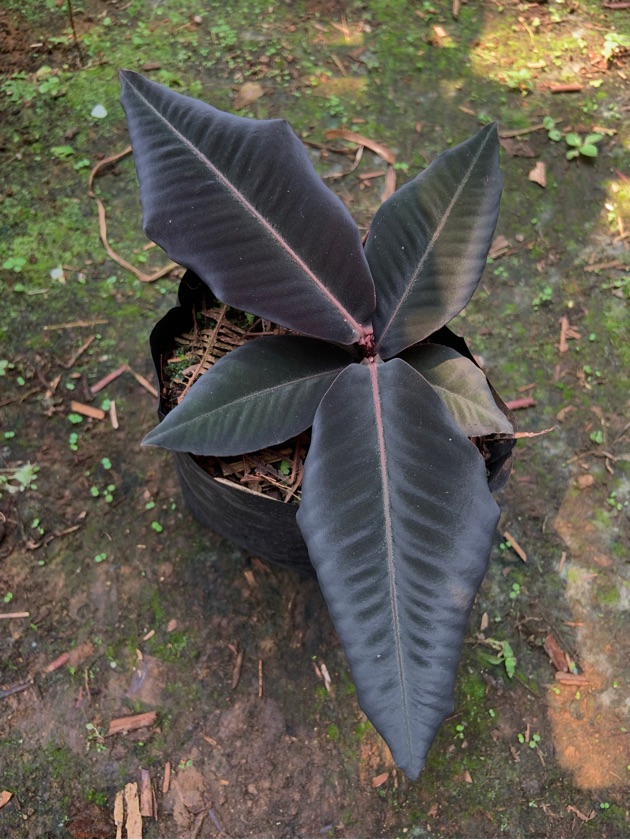
Labisia Robusta
$38.00
The Robust Forest Labisia
What Is Labisia robusta?
Labisia robusta is a tropical understory plant known for its larger size and stronger leaf structure compared to other Labisia types. The name robusta means “strong” or “robust,” referring to its sturdier growth habit.
It grows naturally on the shaded forest floor in Southeast Asia, especially in warm and humid rainforest environments. It is not an aquatic plant and should never be submerged.
This species is appreciated for its bold green leaves and fuller form, making it a solid and natural addition to tropical plant collections.
Strong and dependable, Labisia robusta is ideal for growers who prefer classic green rainforest foliage.
How It Grows
This plant grows low and forms a larger rosette or clump compared to smaller Labisia species.
Growth is moderate under warm and humid conditions.
The Leaves
The leaves are broad and firm.
Color: medium to deep green
Surface: smooth to lightly textured
Shape: oval to elongated with visible veins
The larger, sturdier leaves distinguish it from other Labisia types.
Light Needs
Prefers bright, indirect light.
Avoid direct sunlight
Soft light supports healthy leaf development
Low light may slow growth.
Water & Growing Conditions
Keep soil evenly moist but not soggy
Use airy, organic-rich, well-draining soil
Prefers high humidity
Ideal temperature: 20–30°C
Avoid letting the soil dry out completely.
Growing Environment
Best suited for:
Terrariums (larger setups)
Humidity cabinets
Indoor tropical collections
Greenhouse setups
Not suitable for aquariums or submerged environments.
Care Level
Medium care.
Suitable for growers with some experience
Sensitive to very dry air
Moderate growth rate
Handling Note
Maintain stable humidity and consistent moisture. With proper care, Labisia robusta will develop fuller foliage and maintain its strong rainforest presence.